


The rise of instant payments, embedded finance and platform-based commerce is transforming how money moves through the digital economy. For marketplaces and fintech-enabled merchants, this creates new opportunities, but also significantly increases exposure to financial crime risk in real time. As transactions accelerate, so must the ability to detect, assess and act on risk instantly…
The speed-risk trade-off
Marketplaces and fintech-enabled platforms are designed for speed and convenience. Fast onboarding, seamless payments and frictionless user journeys are central to growth. However, these same features can be exploited by fraudsters and criminal networks.
Instant payouts, peer-to-peer transfers and embedded wallets reduce the window for intervention. Once funds move, recovery becomes far more difficult, making prevention at the point of transaction critical.
Expanding risk exposure across the ecosystem
Unlike traditional retailers, marketplaces must manage risk across multiple parties, including buyers, sellers, partners and payment flows. This creates a more complex threat landscape, including:
- Fraudulent seller accounts and onboarding abuse
- Money laundering through platform transactions
- Mule account activity and fund cycling
- Abuse of refunds, promotions and wallet systems
Fintech-enabled merchants face similar challenges, particularly where financial services are embedded into the customer journey.
Building real-time detection capabilities
To address these risks, organisations are investing in real-time risk engines that assess transactions as they happen. These systems combine multiple data points (including identity, device, behaviour and transaction history) to generate risk scores instantly.
Machine learning models can identify patterns and anomalies across large datasets, helping to detect suspicious activity that would be difficult to spot manually.
However, speed must be balanced with accuracy. False positives can disrupt legitimate users and impact conversion, making precision in decisioning essential.
Integrating compliance and fraud prevention
For many platforms, the lines between fraud prevention and financial crime compliance are increasingly blurred. Real-time risk strategies must align with AML, KYC and regulatory requirements, particularly as scrutiny of digital platforms increases. This requires closer collaboration between fraud, compliance and product teams to ensure controls are both effective and proportionate.
Working with the right partners
Given the complexity of real-time risk, many organisations rely on specialist providers. When selecting partners, marketplaces should prioritise:
- Scalable, low-latency technology capable of handling high transaction volumes
- Rich data integration, including external intelligence sources
- Explainable decisioning to support compliance and audit requirements
- Flexible rules and models that can adapt to evolving threats
Staying ahead of evolving threats
Financial crime is becoming faster, more coordinated and more sophisticated. For marketplaces and fintech-enabled merchants, success will depend on the ability to embed real-time risk management into the core of the platform. By combining advanced analytics, integrated compliance and strong supplier partnerships, organisations can protect both their users and their growth, even as the pace of digital commerce continues to accelerate.
Are you searching for Financial Crime solutions for your organisation? The Fraud Prevention Summit can help!
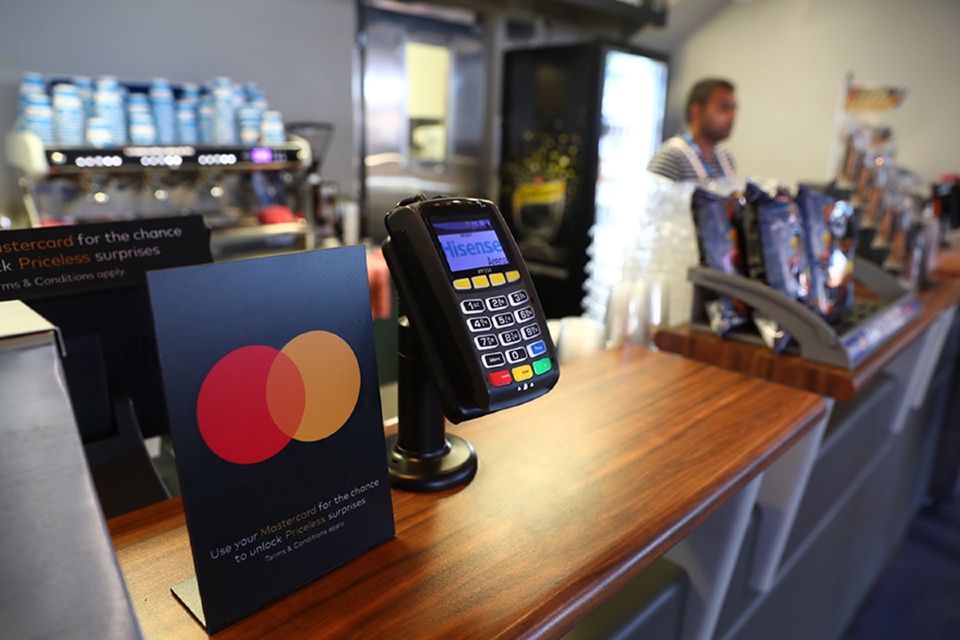
Photo by Diego Gennaro on Unsplash